



Magnificence starts from inside. Your count of calories makes a colossal distinction within the appearance of your skin, and including specific vitamins in your eat-less can drastically alter how your skin looks and feels. Many vitamins can be connected topically to the skin with creams and serums — but taking vitamins orally, whether it’s through your count calories or within the frame of supplements, permits them to work their enchantment all over your whole body rather than fair your face. For ravishing gleaming skin, here are the vitamins you ought to be including in your count calories.
Vitamin D
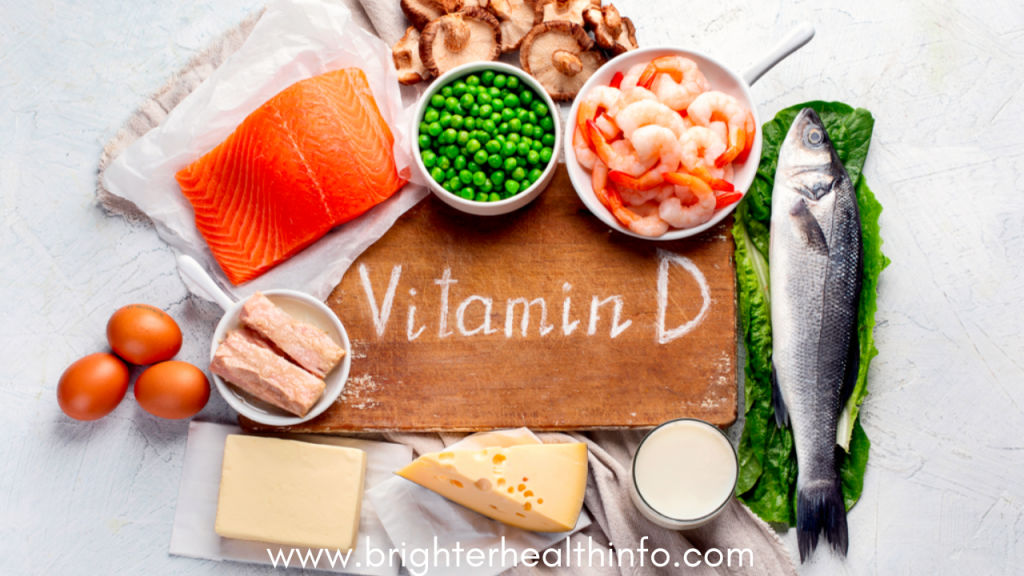
Vitamin D is in many cases called the daylight nutrient, on account of our body’s capacity to create it through sun openness. In any case, sun openness accompanies different dangers to your skin, including untimely maturing, sunspots, and an expanded gamble of skin malignant growth — so what is the most ideal way to get sufficient vitamin D?
Vitamin D is a fat-solvent chemical tracked down in greasy fish and dairy — and because of its antimicrobial and mitigating properties, it’s perfect for skin inflammation and red, excited skin. Notwithstanding its extraordinary well-being and skin benefits, vitamin D inadequacy is quite possibly of the most well-known healthful lack all around the world.
Why is vitamin D so unique? Patients with high levels of vitamin D showed DNA that was the equivalent of five years younger than those with lower levels, proving that it protects skin from aging. Acne sufferers are also probably deficient in vitamin D, which can help their skin if they take supplements.
It can be found in: Mushrooms, orange juice, milk, salmon, and tuna.
Vitamin C
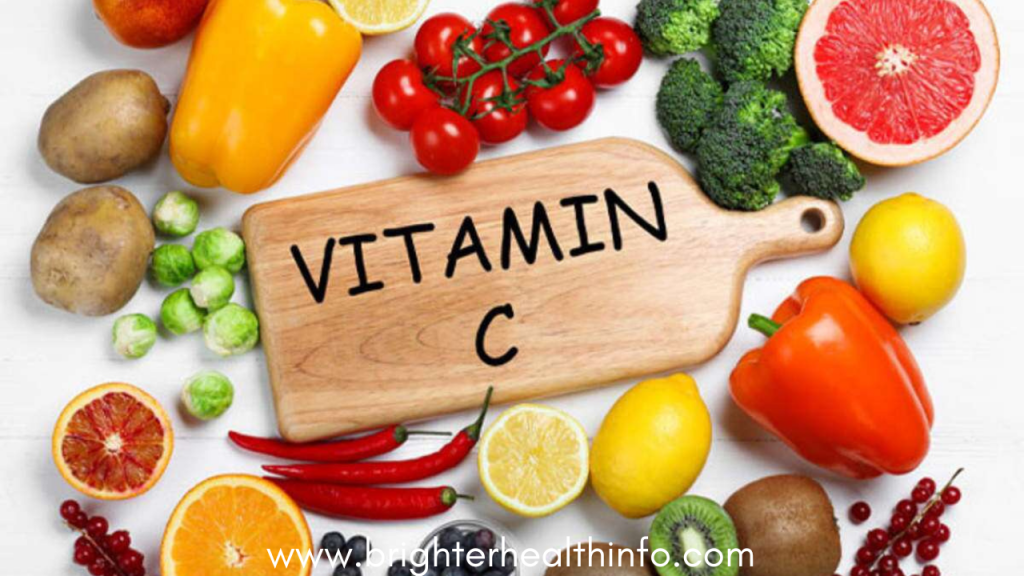
You probably already consume a healthy amount of vitamin C, but given how beneficial it can be for your skin, it makes sense to increase your intake through supplements or certain foods.
Your face can benefit from a long range of things from vitamin C, such as brightening and lowering redness to minimizing the look of under-eye bags and hyperpigmentation.
Collagen production may be increased by vitamin C, which is great for anti-aging. The appearance of fine lines and wrinkles as well as drooping or loose skin are both diminished by collagen.
Vitamin C is beneficial for more than just healthy skin; it may also aid with stress reduction, the duration of colds and flu, and even stroke prevention.
It can be found in: Peppers, tomatoes, spinach, and other vegetables.
Vitamin A
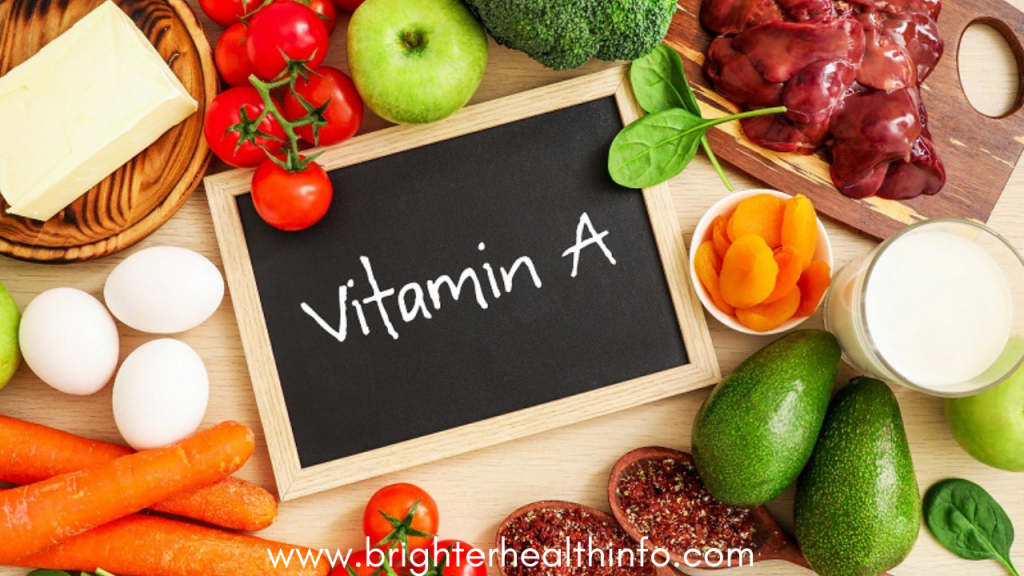
When it comes to shining skin, vitamin A may be a superhero. It makes a difference in the generation of new unused skin cells — but that’s not all.
Vitamin A contains retinoids, which are compounds that battle signs of sun harm like hyperpigmentation, advance wound recuperating and cell turnover, and boost the generation of collagen. In fact, thinks about appear that individuals with a better concentration of vitamin A in their skin see more youthful than those with a lower concentration.
Vitamin A also functions as an exfoliator, eliminating dry skin and enhancing the tone and texture of your skin. Additionally, it’s a powerful ally in the battle against acne because it helps maintain normal oil production and avoids clogged pores. It works so well to cure acne that prescription-strength vitamin A has received FDA approval.
It can be found in: Sweet potatoes, red bell peppers, eggs, salmon, and yogurt are all sources of it.
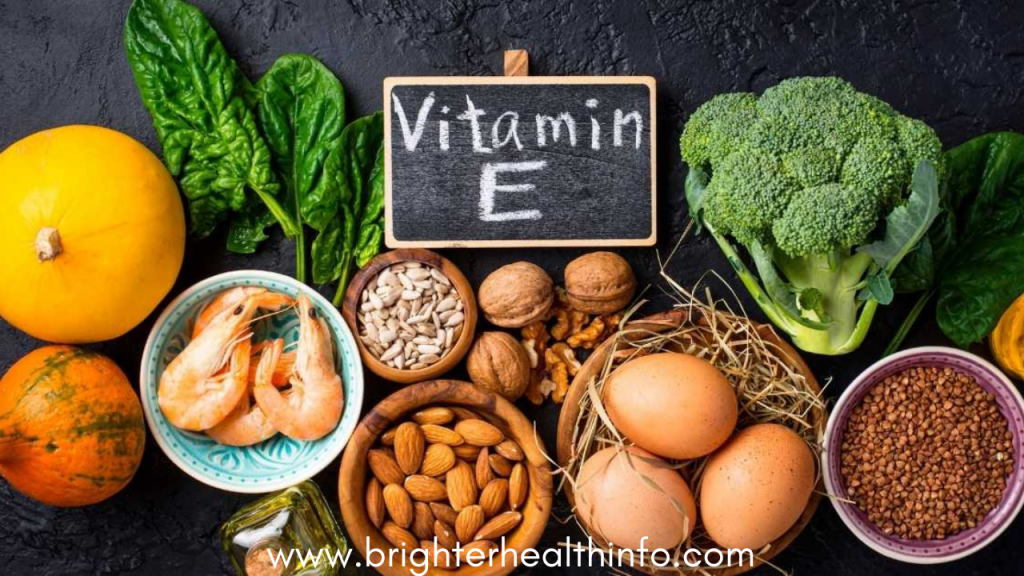
Vitamin E
Strong antioxidant and anti-inflammatory vitamin E can be consumed orally, topically, as a supplement, or through foods high in vitamin E.
Vitamin E is fantastic for blood circulation and is high in antioxidants, which can help your skin feel firmer and healthier. Vitamin E is occasionally used to heal acne scars and dry skin because it encourages cell regeneration and turnover.
In addition to all of its other advantages, vitamin E supports and safeguards the barrier of your skin, shielding it from the sun and retaining the moisture barrier.
Vitamin E may shield and strengthen your skin while also lowering your risk of heart disease, enhancing lung health, and even easing menstruation cramps. Not bad for one tiny vitamin.
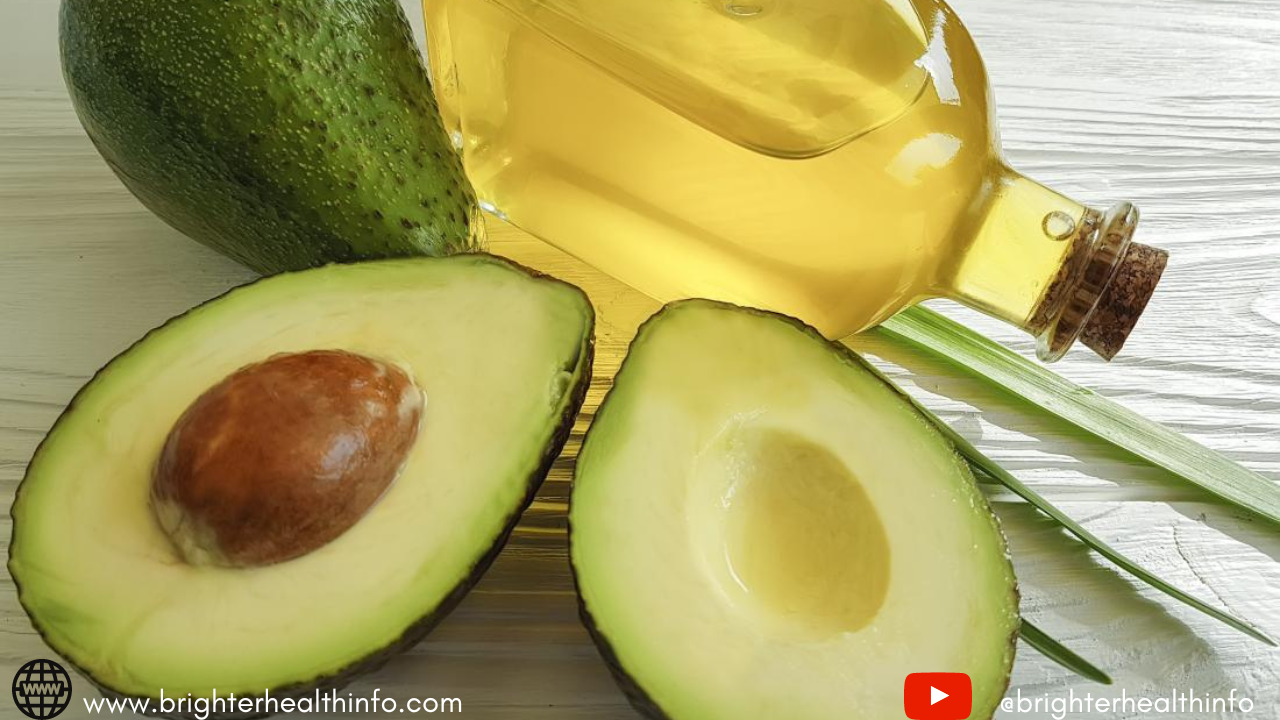
It can be found in: Hazelnuts, pine nuts, peanuts, avocados, and mango are all sources of it.
Beta-carotene
When it comes to your skin, the sun could be a double-edged sword. Whereas daylight is nice for us, and numerous individuals adore the see of a solid tan, sun harm is one of the most exceedingly bad guilty parties for rashly matured skin.
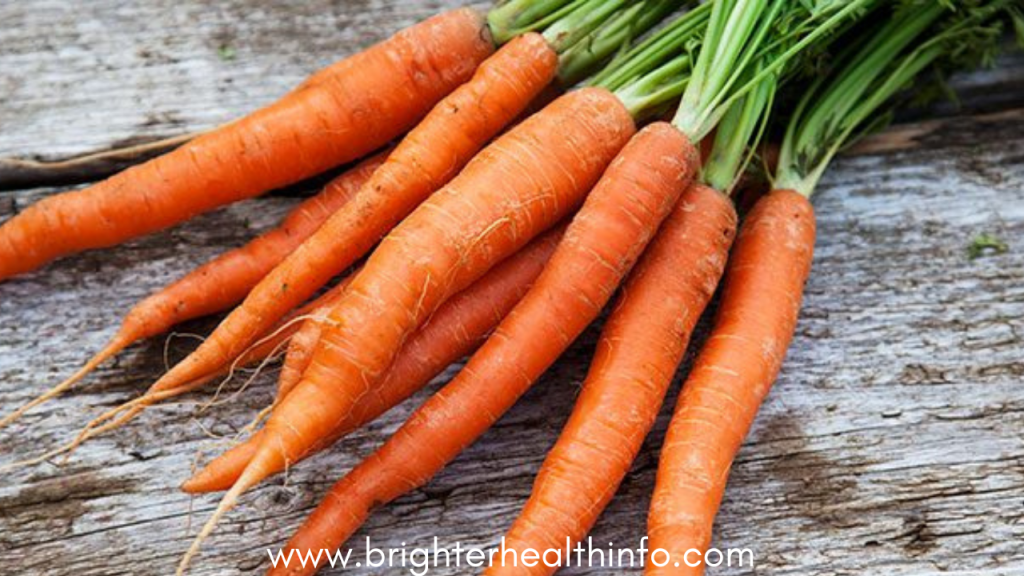
That’s where beta-carotene steps in. Found in carrots, verdant greens, and cantaloupes, beta-carotene makes your skin less touchy to daylight. Of course, this does not cruel you’ll skip the sunblock — but beta-carotene can offer a small bit of additional security.
Studies have found that beta-carotene helps prevent cognitive decline and is a potent antioxidant in addition to protecting your skin from the sun.
It can be found in: Squash, pumpkin, sweet potatoes, cantaloupes, and carrots.
Beauty goes beyond the surface; the vitamins you obtain via your diet are equally as significant as, if not more so than, the lotions and serums you use on your skin. A vitamin-rich diet not only makes your skin seem flawless all over, but it also has other positive effects on your health.


