

Ginger has been used for centuries as a natural remedy for various ailments. This root is a staple in many cultures and is used in different forms, from fresh and dried to powdered and crystallized. The medicinal properties of ginger are well-known, and recent studies have provided scientific evidence to back up its numerous health benefits. In this article, we will explore the advantages of ginger and how it can improve your overall health and well-being.
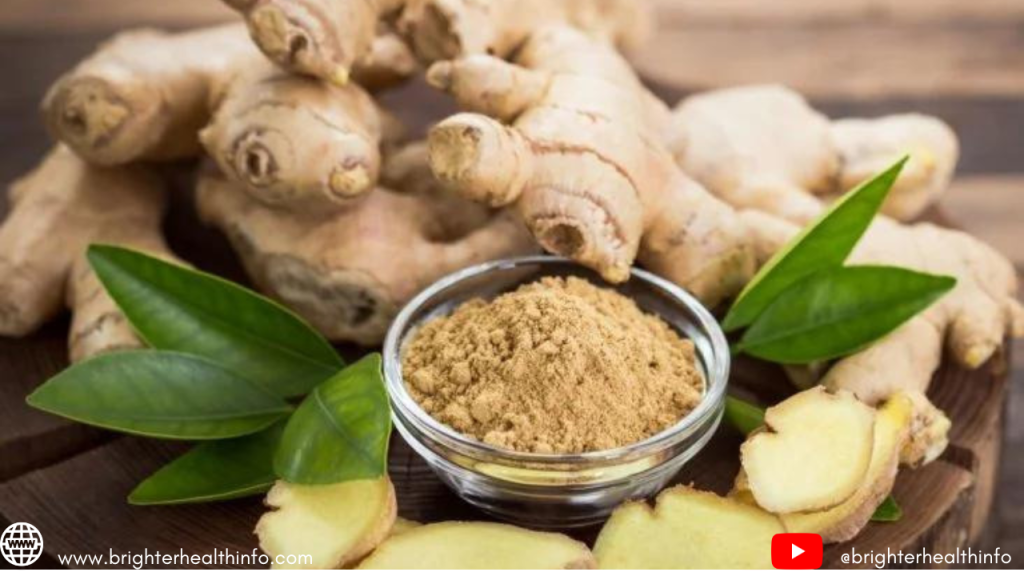
Ginger, scientifically known as Zingiber officinal, is a plant that belongs to the Zingiberaceae family. It is native to Southeast Asia and has been used for medicinal purposes for thousands of years. Ginger has a long list of health benefits and is used to treat a wide range of ailments, from digestive issues to respiratory problems. In this article, we will explore the many advantages of ginger and how it can help improve your health and well-being.
1. Ginger Has Anti-Inflammatory Properties
Inflammation is a natural process that occurs when your body is fighting an infection or injury. However, chronic inflammation can lead to several health problems, including arthritis, heart disease, and cancer. Ginger contains compounds called gingerols and shogaols, which have potent anti-inflammatory properties.
Studies have found that ginger can reduce inflammation and swelling in people with osteoarthritis and rheumatoid arthritis. It can also help to reduce inflammation in the gut and improve digestive health.
2. Ginger Helps Relieve Nausea and Vomiting
One of the most well-known benefits of ginger is its ability to relieve nausea and vomiting. Ginger is a natural antiemetic, which means it can help to prevent and treat nausea and vomiting. It is particularly effective for motion sickness, morning sickness, and nausea and vomiting associated with chemotherapy.
Several studies have found that ginger can be just as effective as prescription medication for nausea and vomiting. One study found that taking ginger supplements reduced nausea and vomiting in pregnant women by 85%.
3. Ginger Helps Improve Digestion Health
Ginger is known for its ability to soothe digestive issues and improve gut health. It can help to reduce inflammation in the gut, which can improve conditions like irritable bowel syndrome (IBS) and inflammatory bowel disease (IBD). Ginger can also improve digestion by increasing the production of digestive enzymes and reducing intestinal contractions.
Several studies have found that ginger can help to relieve symptoms of indigestion, bloating, and gas. One study found that taking ginger supplements reduced the time it took for food to empty from the stomach, which can help to improve digestion.
4. Ginger Has Antioxidant Propertie
Ginger contains compounds that have potent antioxidant properties, which can help protect the body against oxidative stress. Oxidative stress is caused by free radicals, which can damage cells and lead to various health problems, including cancer, heart disease, and Alzheimer’s disease. Ginger can help neutralize free radicals and reduce the risk of these health problems.
5. Ginger Helps Improve Brain Function
Ginger has been shown to improve brain function and protect against age-related cognitive decline. It contains compounds that can enhance brain function, improve reaction time, and reduce the risk of cognitive decline. Ginger has also been shown to be effective in treating migraines and reducing the severity and frequency of headaches.
6. Ginger Helps Reduce Menstrual Pain
Many women experience menstrual pain and cramps during their monthly cycle. Ginger is effective in reducing menstrual pain and cramps. One study found that taking ginger supplements reduced the severity of menstrual pain by 33%.
Ginger can help to reduce menstrual pain by reducing inflammation and increasing blood flow to the uterus. It can also help to regulate menstrual cycles and reduce the duration of menstrual bleeding.
7. Ginger Helps Lower Cholesterol Levels
High cholesterol levels can lead to various health problems, including heart disease. Ginger has been shown to help lower cholesterol levels by reducing the levels of LDL, or “bad” cholesterol, in the blood. Ginger can also help prevent the oxidation of LDL, which can lead to the formation of plaque in the arteries.
8. Ginger Helps Boost the Immune System
The immune system is responsible for protecting your body against infections and diseases. Ginger contains compounds that can help to boost the immune system and protect against infections. It can stimulate the production of white blood cells, which are essential for fighting off infections.
Ginger can also help to reduce inflammation and oxidative stress, which can weaken the immune system. Studies have found that ginger can be effective in preventing and treating infections, including respiratory infections and fungal infections.
9. Ginger Helps Reduce Muscle Pain and Soreness
Ginger is effective in reducing muscle pain and soreness caused by exercise. It works by reducing inflammation in the muscles, which can help improve recovery time and reduce muscle soreness.
10. Lowers Blood Sugar Levels
High blood sugar levels can lead to several health problems, including diabetes and heart disease. Ginger is effective in reducing blood sugar levels and improving insulin sensitivity.
Several studies have found that ginger can help to reduce fasting blood sugar levels in people with type 2 diabetes. One study found that taking ginger supplements reduced fasting blood sugar levels by 12%.
Disclaimer
The information provided at this site is only meant for educational purposes and is not meant to replace medical care from a qualified health care provider. The reader should speak with their doctor to assess whether the information is suitable for their condition due to individual needs that are specific to them.


