


No, vitamin D and oil pulling won’t fill or repair a cavity.
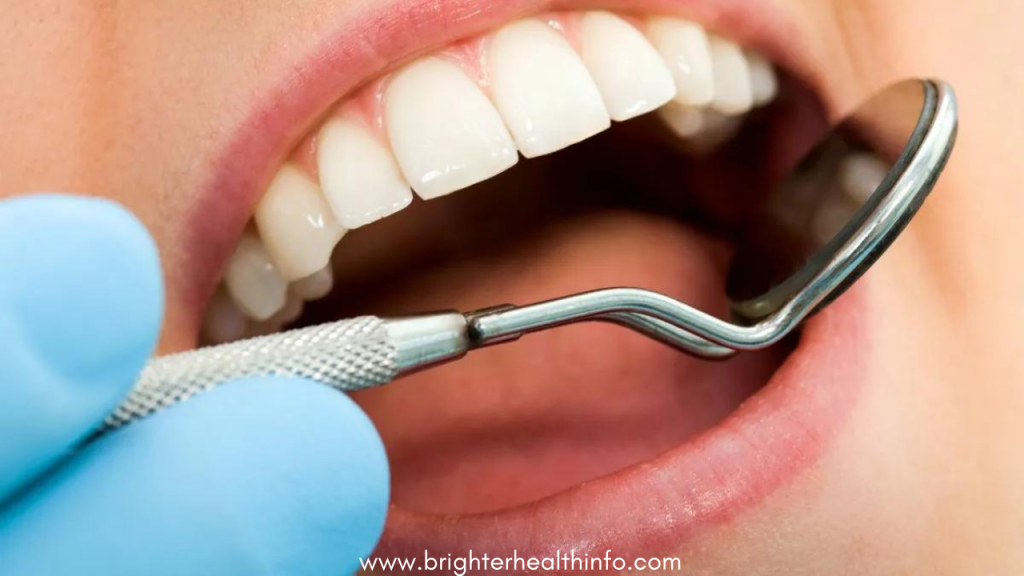
Your dentist will instill in you the importance of regular brushing and flossing from an early age. Unfortunately, odds are that at some point in your life, despite your best efforts, you’ll get a cavity. 90% of persons aged 20 and older, according to the U.S. Centers for Disease Control and Prevention (CDC), have had at least one cavity.
Although tooth decay is not the end of the world, you should see your dentist right away to get it treated. Dr. Anne Clemons explains how to maintain healthy teeth and why there are no effective home cures for cavities.
Can a cavity be treated at home?
The quick response is no, and filling a cavity at home isn’t advised. In reality, it’s not even conceivable, especially if the decay has spread into the softer dentin beneath your tooth’s harder outer enamel layer.
The development of a cavity can be compared to Pac-Man eating power pellets. According to Dr. Clemons, “the more those bacteria devour sweets and carbohydrates, the more they secrete acid and erode your teeth.” “The likelihood that you’ll need a filling increases as the cavity grows larger. It may be necessary to have root canal therapy if the cavity gets close to the pulp chamber.
“You can’t get rid of that if you have a dental cavity that is so large that it extends into the dentin, the inner surface of the tooth,” she explains.
Additionally, the cavity spreads more quickly on that tooth surface, therefore you shouldn’t put off getting treatment.
However, according to Dr. Clemons, if a cavity is “tiny and barely into the enamel on your tooth,” also known as a “watch” or “incipient caries,” you can take action to stop it from getting worse.
In order to reinforce the enamel and stop that cavity from growing worse, dentists advise maintaining a regular flossing routine, using fluoride-containing toothpaste, and possibly even using a fluoride-containing mouthwash. However, it becomes more difficult to keep the cavity at that size if it exceeds a lesion in the shape of a watch. It’s probably going to become better with time.
Dr. Clemons says dentists may use silver diamine fluoride for young children who have baby teeth that are about to fall out or older adults who have many dental cavities, particularly around their crowns (SDF).
It stops the cavity from growing, she says. The drawback of this is that it makes teeth extremely dark, which makes them unsightly. We only reserve it for specific uses because of this. Because we can’t fully enter the space, especially between teeth, it is also not ideal for larger or specific sites of cavities.
Cavity removal techniques that have been refuted
People who claim to know how to treat a cavity at home can be found in great numbers online. Sadly, Dr. Clemons claims that their suggested approaches are ineffective.
Pulling oil
Although oil pulling, which involves swishing coconut oil around in your mouth, is safe, it won’t help you prevent cavities. According to Dr. Clemons, it won’t be advantageous. “A tooth hole is referred to as a cavity. You can’t fill that by swishing coconut oil around or utilising a do-it-yourself technique you found online.
Supplementing with vitamin D
Getting enough calcium and vitamin D while you’re a child is essential for maintaining healthy, developing bones. Taking extra vitamins as an adult won’t always benefit your teeth. Dr. Clemons says that although a tooth resembles a bone, it does not have a bone’s same chemical composition. Additionally, your teeth start to erupt while you’re quite young. They are fully formed as adults. They won’t continue to develop or grow. Vitamins and supplements won’t help strengthen teeth or prevent cavities.
Sugarless gum
While sugar-free gum won’t help you get rid of a cavity, it does have other advantages, such as preventing you from nibbling and consuming carbohydrates. “Sugar-free gum is a terrific alternative if you’re a person who snacks and you need to have something in your mouth,” she advises. “You won’t have any carbohydrates and sugars in your mouth.”
How to properly avoid cavities
Dr. Clemons gives the following advice for healthy teeth in addition to regular brushing and flossing:
Try to limit your snacking.
“We talk about the frequency of their meals when we have a patient who has a lot of dental cavities,” she explains. “If a patient often consumes snacks or beverages (other than water) throughout the day, the bacteria can use those carbohydrates and acids to form cavities all day long.” As a general rule, try to stick to three meals per day and avoid having too many snacks.
Following a snack, brush your teeth.
If you frequently eat a snack in the afternoon, be sure to clean your teeth right away. Getting rid of the food source for bacteria to eat is what you want to do, says Dr. Clemons. Instead of an acidic pH, where bacteria thrive and create more acid, you want to bring your mouth back to a neutral pH.
Gum without sugar to chew
Sugar-free gum not only stops you from snacking, but also increases saliva production. According to Dr. Clemons, saliva shields your teeth from developing dental cavities. Its pH is more neutral, whereas germs that cause cavities are more active in an acidic environment.
Use more than mouthwash to brush your teeth.
The best technique to avoid cavities isn’t to swish some mouthwash around in your mouth and call it a day. As an alternative, be sure to clean out all of the food and plaque that has amassed between your teeth.
Mouthwash can be a beneficial supplement for some patients, but Dr. Clemons emphasizes that it cannot replace brushing and flossing for proper oral hygiene. Plaque and bacteria cannot be physically removed by mouthwash.
Try to routinely see a dental specialist
If you sense you might be fostering depression, it’s smarter to see a dental specialist shortly. Allowing holes to advance could prompt more concerning issues down the line.
“It might reach the place where one day you have such an excess of torment that you’re not resting around evening time, and it’s emanating all through your jaw,” Dr. Clemons says. “And afterward, possible this pit has arrived at the mash of the tooth, where the nerve and the blood supply are. It very well may’s be agonizing. Furthermore, typically, that is the point at which a dental specialist gets a call and should be seen immediately to either have a root trench done or have the tooth separated.”
Your most effective way to stay away from a second, for example, is to see your dental specialist two times per year for tests, brush something two times per day, floss day to day, and attempt Dr. Clemons’ tips for solid teeth.


