

Your skin may become scratchy, red, and inflamed from cold, dry air. With these professional suggestions for keeping your skin naturally hydration, you can combat dry winter skin. Your skin can suffer greatly in the winter, and it may seem impossible to get away from it: When it’s cold and windy outdoors, your skin becomes raw and red, and when it’s hot inside, both the air and your skin lose moisture.
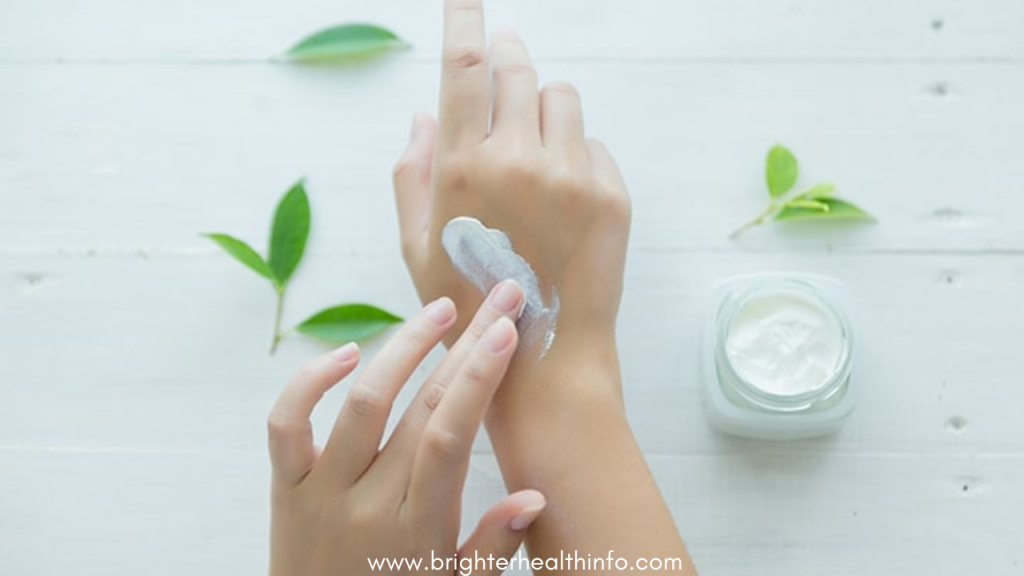
Indeed, even the things that make winter great, like sitting by a thundering fire, can dry your skin, as the American Institute of Dermatology (AAD) notes. What’s more, albeit a hot shower can warm you up, heated water strips the skin of its regular oils, as indicated by the College of Tennessee Clinical Center.
Joyfully, there are numerous ways of combatting the reasons for dry skin and keeping yourself damp and flexible the entire season, including a few simple changes to your ordinary daily practice.
Continue reading for 10 easy, dermatologist-recommended tips for radiant winter skin.
Top 10 Winter Skin Care Tips.
1. Purchase a humidifier to increase moisture.
“In the cooler cold weather months, the outside air normally clutches less water and is drier and colder,” says Naissan O. Wesley, MD, a board-guaranteed dermatologist situated in Beverly Slopes, California. A humidifier in your home or office will reestablish dampness to the air, assisting with keeping your skin hydrated, as per the Cleveland Center.
Run a humidifier in your whole home or in rooms you invest the most energy in, and mean to keep indoor moistness levels somewhere in the range of 30 and 50 percent. One choice is to turn it on short-term while you’re dozing.
2. Maintain comfortable and cool temperatures on the thermostat.
If you’re hoping to get away from dry, crisp open air, you might be enticed to wrench up the intensity when you return home. However, high focal intensity can make the air in your home considerably drier, noticed the American Osteopathic School of Dermatology (AOCD). Attempt a cool yet happy setting to keep your skin from drying further — the AOCD prescribes 68 to 75 degrees F.
3. Shower and hand-washing water temperatures that are lower.
Long, hot showers might seem like a good thought when it’s cold and tempestuous, however exceptionally heated water can dry out the skin, says Marie Hayag, MD, a board-ensured dermatologist and the pioneer behind Fifth Road Feel in New York City. A 5-to 10-minute warm shower (or shower) is less inclined to demolish dry skin than a hot one, recommends the AAD.
A decent guideline: On the off chance that the water makes your skin become red, it’s excessively hot.
When washing your hands, you should also refrain from using water that is too hot. This is particularly true if you frequently have red, scaly, and itching hands (potential signs of eczema on the hands, per the National Eczema Association). An eczema flare-up might be brought on by dry skin that has been exposed to hot water or cold winter air.
According to the Centers for Disease Control and Prevention, cooler water is less abrasive to the skin and appears to be just as effective as warm water at killing germs (CDC).
4. Select gentle, scent-free cleansers.
According to Dr. Wesley, bar soap can exacerbate dryness by removing the skin’s natural oils and messing with the microbiome.
Dr. Hayag advises using body wash for people with dry skin. Look for soaps that say they are “for sensitive skin,” “dye-free,” or “fragrance-free.” They frequently include more hydrating components instead of drying ones, such as hyaluronic acid, ceramides, oils, shea butter, and oats.
The AAD also suggests looking for items marked “fragrance-free.” Products marketed as “unscented” may include chemicals that mask aroma and irritate people.
5. Change Your Skin Care Routine for the Season.
Hayag advises reducing the amount of alpha-hydroxy acids (AHAs) and retinoids you use on your face if you have dry, itchy skin, as doing so could make the problem worse and possibly indicate irritant dermatitis (a skin reaction that occurs after prolonged exposure to an irritating substance). You can gradually resume using retinoids and alpha-hydroxy acids once the skin has recovered, she advises.
As well as skipping AHAs and retinoids when the skin all over is dry, the AAD suggests avoiding items that contain liquor and scents, as this will assist the skin with holding its normal oils.
All things considered, pick oils and creams for your healthy skin schedule, and consider applying a lotion on top of your toner on the off chance that the last option is causing dryness, Wesley says.
Around evening time, utilize a more extravagant lotion on your body, including your arms, legs, and midriff. “Search for occlusives, like petrolatum, squalene, and shea spread,” Hayag says. “These are fixings that seal in dampness by framing a defensive seal over the skin.” Hayag likewise suggests searching out an item with saturating humectants, for example, hyaluronic corrosive and glycerin. These are incredible elements for the face, as they permit the skin to inhale and are probably not going to add to skin inflammation.
What’s more, remember to saturate the remainder of your body, all things considered. “For the body throughout the colder time of year, I suggest utilizing a thicker cream that emerges from a container or cylinder rather than a siphon,” Wesley says. “Creams that emerge from a siphon will generally be more slender and more watery, so they can frequently dissipate from the skin’s surface after application and are not thick and saturating enough.”
According to the AAD, a moisturizing balm (such petroleum jelly or another ointment) can aid in the healing of dry, chapped lips and prevent them from happening again.
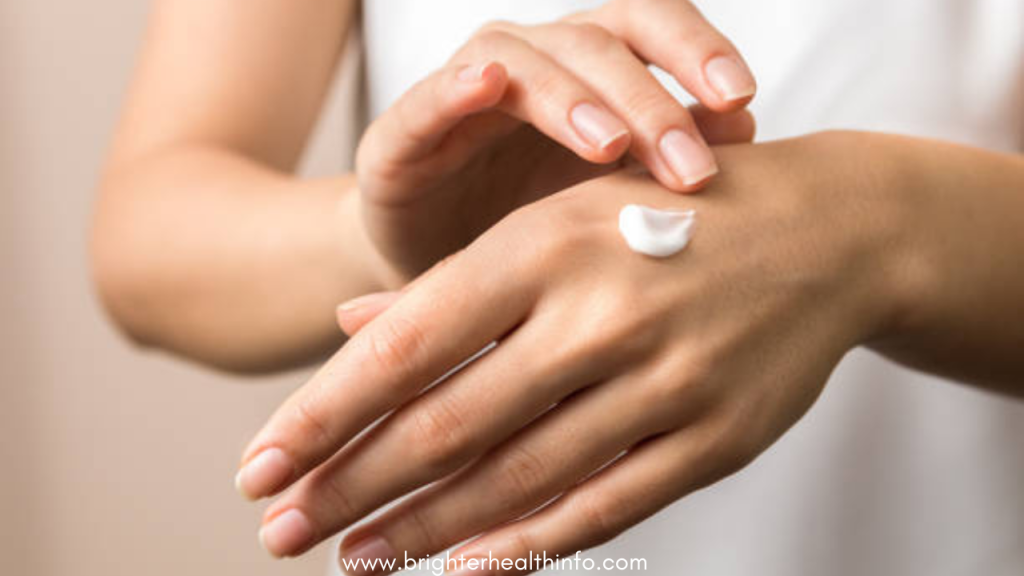
6. Frequently moisturize your hands, especially after washing.
As the CDC points out, hand washing is crucial, particularly when the common cold, flu, and COVID-19 are threats. But according to Linda Stein Gold, MD, a board-certified dermatologist at Henry Ford Medical Center in West Bloomfield, Michigan, “continuous washing will cause the hands to take a hammering.”
Dr. Stein Gold continues, “After every wash, use hand cream.” To safeguard your hands while washing dishes or doing other household chores, she also suggests wearing waterproof gloves.
To assist your skin to absorb the lotion after applying a moisturizer, Wesley advises putting on cotton gloves.
7. Use sun protection, even on gloomy winter days.
The Skin Cancer Foundation states that on sunny winter days, snow reflects the sun’s rays, increasing your exposure to UV radiation. According to the American Cancer Society, UV radiation has been linked to skin cancer, sunburns, and early aging of the skin (including wrinkles, leathery skin, and liver spots).
Applying sunscreen in the sweltering winter months is just as crucial as it is in the summer, whether you’re out skiing, playing in the snow, or doing errands across a parking lot.
Try not to be tricked by hazier, bleak days in winter, all things considered. Up to 80 percent of the sun’s unsafe UV beams can penetrate mists regardless of reason harm, as per the Skin Disease Establishment.
Before you head outside, apply an expansive range sunscreen with an SPF of 30 or higher with water obstruction and saturating fixings like lanolin or glycerin to all uncovered regions of your body, says the Skin Malignant growth Establishment.
8. Dress Properly in Comfy, Non-Irritating Clothes.
Numerous chilly climate textures can disturb dry winter skin. “Keep fleece and harsh attire from straightforwardly contacting your skin,” Stein Gold says. “This can make dry skin get bothered and bothersome.”
All things considered, wear light layers produced using delicate, breathable materials (like cotton or silk) straightforwardly against your skin. From that point forward, pull on your heavier, hotter sweaters, suggests the AAD.
Make certain to safeguard your hands from cold winter air with gloves or gloves. On the off chance that fleece gloves are excessively disturbing, attempt cowhide ones, Wesley proposes.
9. Always Drink Plenty of Water and Eat Healthily.
Try not to anticipate extraordinary outcomes, yet it very well might be feasible to saturate your skin marginally from the back to front. “Remaining hydrated by drinking a lot of liquids, similar to water, is perhaps of everything thing you can manage by means of diet to stay away from dryness,” Wesley says. One little review, distributed in August 2015 in Clinical, Corrective, and Investigational Dermatology, discovered that individuals with low water admission had the option to decidedly affect their skin hydration by drinking more water (for this situation, two liters of water more than their standard everyday admission).
Your eating regimen might assume a part too. “Staying away from handled food sources and sugars, and eating entire food sources that are plentiful in fundamental nutrients, minerals, and unsaturated fats will keep the body and skin solid,” Wesley says.
10. After drying yourself off, lock in the moisture.
Wipe your hands off subsequent to washing them, Hayag says. The AOCD says that smearing or wiping the skin off instead of scouring it holds more dampness.
Do the equivalent while drying off after a shower, prompts Stein Gold: “Smear skin dry and apply a thick cream inside a couple of moments after washing to seal the water into the skin.”
Last Words on Winter Skin Health.
Assuming you actually experience dryness, uneasiness, and bothering subsequent to attempting these solid skin tips, Stein Gold recommends utilizing an over-the-counter 1% hydrocortisone cream. “In the event that you don’t see improvement in a couple of days, talk with your primary care physician,” Stein Gold says. You might require an original effectiveness lotion to defeat winter’s drying consequences for your skin, or your dry skin might be an indication of a skin condition that should be tended to, as per the AAD.


