

Among other advantages, vegetable provides nutrients that fight disease and slow the signs of aging.
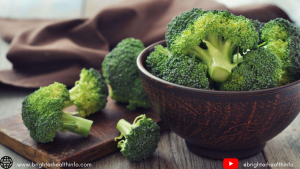
When you consider nutritious foods, one of the first that likely comes to mind is broccoli or Brassica oleracea. You might not be aware of how good for you this cruciferous vegetable is, since it can boost your brain health, keep you hydrated, and more.
Benefits of Broccoli
Broccoli is a vegetable that offers a lot of benefits.
Supplies fiber
About 2 grams of fiber are included in one cup of broccoli. Although fiber is primarily known for promoting digestive health and keeping you full, it also has other advantages. Additionally, they assist insulin and blood sugar regulation for consistent, even energy as well as heart protection by lowering cholesterol levels.
Maintains Your Hydration
A cup of raw broccoli contains 68 grams of water as well. Your body needs water to maintain the health of its cells and organs. Additionally, staying hydrated helps your body maintain a healthy temperature, lubricates your joints, and avoids constipation by ensuring that food moves freely through your digestive system.
The high water and fiber content in fruits and vegetables also adds bulk to your diet. Increasing the amount of your diet can increase sensations of fullness, which will help you healthily manage your weight.
May Reduce Cancer Risk
Broccoli belongs to the cruciferous vegetable family, which also contains foods like:
- Cauliflower
- Kale
- Brussels sprouts
- Cabbage
- Collard greens
Because they have the power to neutralize carcinogens and stop cancer cells from proliferating and spreading, research has discovered that this group of plants contains natural substances connected to cancer prevention. Cruciferous vegetables also support apoptosis, the body’s process of self-destruction for eliminating unhealthy cells.
Protects Your Heart
The biggest cause of death in the US is still heart disease. According to research, cruciferous veggies like broccoli protect the heart. They achieve this by lessening the artery damage that causes artery hardening, which frequently occurs before a heart attack or stroke.
Improvements to Brain Health
Broccoli contains the pigments lutein and zeaxanthin. Numerous advantages of these pigments exist, some of which are advantageous to brain health. They have been connected to the healthy nervous system and brain function as well as defense against aging-related cognitive decline.
Strengthens the Bones
Your bone strength may increase if you eat broccoli. The vegetable provides a number of elements that are crucial for the development of bones and the preservation of bone density. These consist of:
- Vitamin K
- Magnesium
- Phosphorus
- Calcium
- Copper
- Zinc
- Vitamin C
Eliminates Inflammation
Broccoli’s ability to fight inflammation is linked to a lower chance of developing chronic diseases. Increased consumption of cruciferous vegetables was linked to decreased blood levels of pro-inflammatory markers, according to a study.
Contains Pro-Protective Antioxidants
Broccoli naturally occurring substances also function as detoxifiers. This indicates that they expeditiously remove potentially harmful substances from the body or assist in their deactivation.
It has been demonstrated that antioxidant chemicals can prevent UV-induced skin damage. The pigments lutein and zeaxanthin in the vegetable shield the retina and lens of the eyes. Both have been demonstrated to lower the risk of cataracts and macular degeneration, two prevalent eye conditions.
Nutrition of Broccoli
Raw broccoli, measured as a medium stalk, contains:
- Calories: 45 calories
- Fat: <1 gram
- Sodium: 80 grams
- Carbohydrates: 8 grams
- Fiber: 3 grams
- Protein: 4 grams
Broccoli is a nutrient powerhouse. One stalk has 220% of the recommended daily intake of vitamin C, which supports bone health and the immune system. Additionally, it has 460 milligrams of potassium, which accounts for 13% of the daily value and is necessary for several bodily processes.
Broccoli also provides your body with:
- Vitamin K
- Folic acid
- Calcium
- Magnesium
- Selenium
Risks of Broccoli
The chance of developing a food allergy to broccoli exists since allergic reactions can happen to any meal. The majority of food allergy reactions do not, however, include allergic reactions to broccoli.
Broccoli can also cause bloating and gas. They include sugars that are difficult for the stomach and small intestine to digest. Your intestinal bacteria produce the gas that makes you feel bloated and uncomfortable as it attempts to break down the sugars.
A Quick Review
Broccoli has advantages for your heart, bones, brain, and general health, but it can also cause bloating and gas after eating it. Eating more of this vegetable is a wise move to increase your nutrient intake and support the preservation of your health, regardless of how you choose to include it.
Disclaimer
The information provided at this site is only meant for educational purposes and is not meant to replace medical care from a qualified health care provider. The reader should speak with their doctor to assess whether the information is suitable for their condition due to individual needs that are specific to them.


