


Here are some amazing maize nutrition facts and health advantages that demonstrate why you should eat this vegetable year-round.
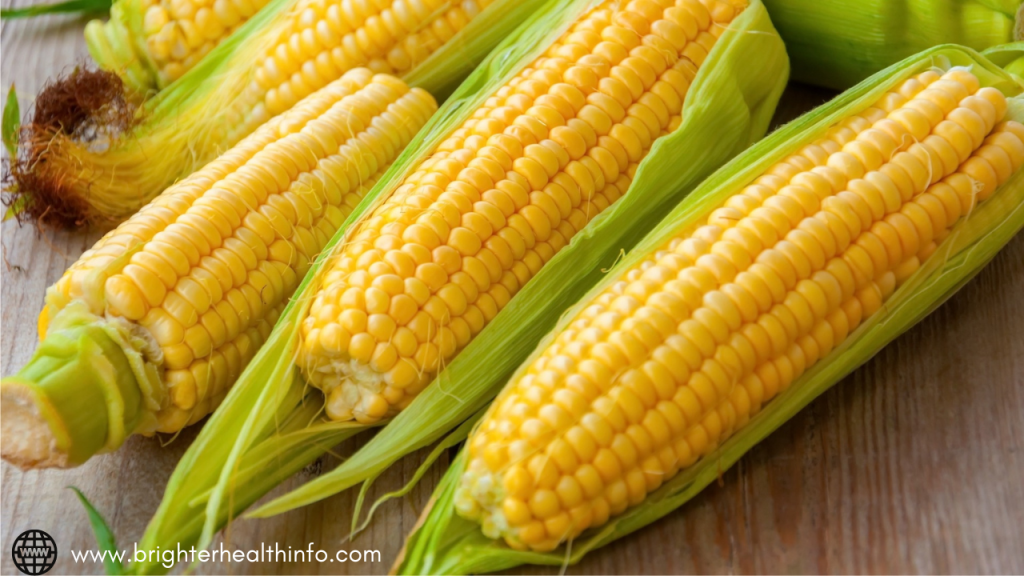
Corn, often known as maize, has a lot of positive qualities. It has a great variety and is sweet and juicy. Whether it’s grilled at a barbecue or included in your chili, corn is a mainstay of both warm-weather comfort and summer celebrations. In addition to its versatility and delectable flavor, maize is a rich source of important nutrients. Not persuaded? Discover all the essential health advantages of maize listed here, along with some delicious corn dish suggestions.
What Is Corn?
According to the University of Maryland, maize is essentially a grain even if it is consumed as a vegetable. It, oats, rice, wheat, and barley are all members of the grass family. The maize plant is made up of a tall stem or stalk that develops cylindrical structures known as cobs or “ears,” each of which produces hundreds of edible kernels that are covered in unpalatable shucks (aka peels or husks).
Although there are hundreds of varieties of corn, sweet corn is the one that most people are likely to think of when they think of the grain-turned-vegetable because it is the one they are used to eating, according to Colorado State University (CSU). In light of the fact that sweet corn is frequently used as a vegetable, this essay will concentrate on its nutritional value and health advantages.
Nutrition of Corn
According to CSU, eating an ear of corn will provide you with a variety of critical nutrients, such as fiber, magnesium, potassium, calcium, selenium, and vitamins A and C. Also, according to Bess Berger, R.D.N., C.D.N., a registered dietitian and the owner of Nutrition by Bess, the vegetable is bursting with disease-fighting antioxidants. She says that when comparing grains, “corn has the highest antioxidant [content]—more than wheat and rice.” As a starchy vegetable, sweet corn contains more carbohydrates than other vegetables. The American Heart Association states that these carbohydrates give the body calories, which in turn give it energy.
According to the US Department of Agriculture, the nutritional profile of one medium ear of corn (102 kilograms) is shown below (USDA).
- 367 calories
- 3 grams protein
- 1 gram fat
- 19 grams carbohydrate
- 2 grams fiber
- 6 grams sugar
Health Advantages of Corn
Yeah, so the corn has several nutritional advantages. How does that affect you? Continue reading to discover its health advantages as described by dietitians.
Defends Against Chronic Diseases
According to registered dietitian Symone Moodoo, R.D., corn has an astonishing array of antioxidants, including lutein, zeaxanthin, quercetin, and vitamins C and E. ICYDK, free radicals are unfavorable substances that, when present in excess, can lead to oxidative stress. Antioxidants scavenge and combat free radicals.
Oxidative stress has the potential to harm cells over time and promote the growth of chronic diseases including type 2 diabetes and heart disease. Yet according to Moodoo, consuming foods high in antioxidants, like corn, can help lower the risk.
Supports Digestive Health
According to Moodoo, corn is bursting with insoluble fiber, which sucks water from the stomach and ultimately adds volume and bulk to your stool. According to her, this may aid in promoting digestive regularity and hence assist avoid or treat constipation. According to Oklahoma State University, the common food also contains some dietary fibers or fiber that dissolve in water. As a result, a gel formed, which firms up stools and lessens diarrhea. Thus, if you’re wanting to tweak your diet to have a smoother number of twos, think about rotating in maize.
Promotes Heart Health
Next on the list of the health benefits of corn? It’s the capacity to maintain a steady pulse. Many minerals needed for cardiovascular health are found in the yellow vegetable, including potassium and magnesium, both of which maintain normal blood pressure. According to Moodoo, potassium in particular is crucial for a proper heart operation. Meanwhile, a 2018 article claims that magnesium also helps to maintain healthy blood pressure. According to Berger, even the vitamin C found in corn contributes since it has antioxidant characteristics that guard cells and organs against oxidative damage.
Corn’s soluble fiber is also beneficial. This is why: According to Harvard Health Publications, your liver uses cholesterol to create bile acids or other compounds that aid in the absorption of fat. Yet, soluble fiber when consumed forms a bond with bile acids in the stomach, and as the fiber leaves your body through poop, it also transports those bile acids. So, in order to produce more bile acids, your liver removes cholesterol from the blood, lowering blood cholesterol levels. This is excellent news for your heart because, according to the Centers for Disease Control and Prevention, excessive blood cholesterol levels might increase the risk of heart disease (CDC).
Enhances Eye Health
ICYMI, corn contains the antioxidants lutein and zeaxanthin. These are specifically carotenoids, which are the orange, yellow, and red plant pigments responsible for giving corn its well-known hue. Carotenoids can accomplish more than just that, though: According to Chantel Moodoo, R.D., they can also shield your eyes because of their antioxidant qualities, which fight oxidative stress in the eyes. This is crucial since, according to a 2019 scientific review, oxidative damage can cause age-related eye illnesses like cataracts and glaucoma. But, as the article points out, you can help prevent such eye diseases by consuming carotenoids, such as those found in corn.
Potential Risks of Corn
The American Diabetes Association advises eating maize in moderation if you have diabetes or blood sugar issues. Since corn is a starchy food, it has more carbohydrates per serving than other non-starchy vegetables (e.g. cucumbers, tomatoes). According to the University of Utah, a higher carbohydrate content may result in more severe blood sugar increases depending on the individual and serving size. Although maize has a relatively low glycemic index—a measure of a food’s potential to raise blood sugar—it is still a good idea to discuss with your doctor how corn can fit into your diet if you have blood sugar issues.
Moreover, Chantel advises limiting your intake of maize if you have hyperkalemia (high blood potassium). According to the Mayo Clinic, eating foods high in potassium, such as maize, may cause your blood potassium levels to rise even higher in this situation, increasing your risk of issues like nausea, irregular heartbeats, and muscle weariness. Although it’s uncommon to have a corn allergy, if you have allergies to latex, strawberries, tomatoes, peaches, or apples—ingredients that share proteins with maize—you’re more likely to have a corn allergy.


