


No matter how you slice it, these green vegetables are healthy for you.
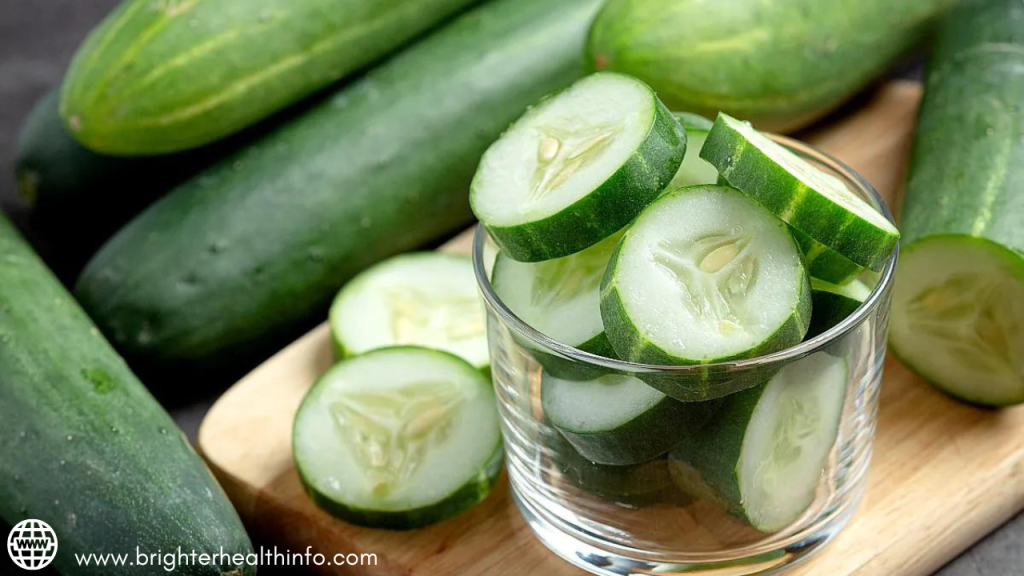
Cucumber is like everyone’s dull cousin when it comes to vegetables: it’s not particularly unpleasant, but it’s also not particularly exciting either. In other words, it’s probably not the first invitation you’ve sent out for a party. But, considering how nutritious cucumbers are, perhaps it ought to be. It is exceptionally low in calories and sugar and high in fiber and water. The health advantages of cucumbers are very extensive.
For intestinal health and wellness, consume it or consume it in liquid form. You can also make a cucumber mask to hydrate your face or place cucumber slices over your eyes to minimize puffiness (yes, this is a real thing!).
Cucumber is one of the healthiest and simplest veggies to incorporate into your diet, pun intended.
10 Advantages of Cucumbers
Cukes are something other than an enhancement in your side plate of mixed greens. The following are 10 motivations to add more cucumber to your eating routine consistently.
1. They’re hydrating.
On the off chance that you feel parched, you’re now dried out — and now is the right time to renew, as per Kathryn Boling, MD, a family medication expert with Benevolence Clinical Center in Baltimore. In any case, if the prospect of drinking one more glass of water switches you off, it’s vital to realize cucumbers are a magnificent substitute to expand your water admission.
According to Amy Gorin, MS, RDN, a plant-based nutritionist in Stamford, Connecticut, and owner of Plant Based with Amy, “a cucumber has a water content of 95%, meaning you are taking in a lot of water with each one.” “This aids in hydration, which is crucial for many bodily functions and may also lessen headaches.”
2. They provide you energy.
What is the secret to feeling full after a snack or meal? consuming foods high in protein and fiber, both of which are abundant in cucumbers. Gorin states that a half cup of cucumber contains two grams of protein and two grams of fiber, helping you feel fuller for a longer period.
Dr. Boling concurs, adding that cucumber’s satisfying power might in fact assist you with weight reduction or keeping a sound weight. These low-calorie veggies assist you with topping off on the grounds that they are loaded with liquid and fiber (however not a lot of other stuff, similar to fat, sodium, carbs, and sugar).
3. They reduce inflammation, too.
Dr. Boling claims that when you consume enough of the antioxidants and minerals found in cucumbers, such as potassium and magnesium, your body may experience anti-inflammatory effects. Consider the potent phytonutrients, or healthy plant chemicals, beta carotene and flavonoids.
According to a 2013 study in the International Journal of Health Sciences, cucurbitacin’s, chemical compounds found in the cucumber family, may have such potent anti-inflammatory properties that some specialists are looking into their potential to lower your chance of developing cancer cells.
4. They can reduce eye puffiness.
Dr. Boling asserts that these foods not only have anti-inflammatory effects on the inside of your body but also the outside. The numerous occasions that you saw someone applying cucumber slices to their eyes at a spa while watching television weren’t just for show: In fact, cucumber on the eyes does help, according to Dr. Boling. They can aid with irritation, puffiness, and redness.
5. They could boost your libido.
Cucumbers are an aphrodisiac, according to the Food for Better Health Foundation; the vitamin C and manganese in these green vegetables are proven to boost your vitality and sex drive. Moreover, vitamin C helps improve blood flow and circulation, which benefits men with erectile dysfunction.
L-citrulline, a substance found in cucumbers, has been connected (in a small 2011 study) to a reduction in some men’s erectile dysfunction symptoms. They are also a good source of vitamin A, which supports both the health of your immune system and the synthesis of testosterone.
6. They could give you glowing skin.
Dr. Boling advises producing a DIY cucumber face mask to refresh your skin with antioxidants and leave it appearing younger and fresher, similar to the advantages of applying cucumber to your eyes. According to some research, cucumbers offer cleansing effects that may be particularly advantageous for the skin. They also act as a cooling, relaxing remedy for summer sunburn.
7. They can control how you digest.
Well, we’re talking a lot about hydration here, but that’s because cucumbers have one of the highest water contents of any fruits or vegetables, and water is essential to every single system in our body, including digestion.
According to Dr. Boling, staying hydrated promotes bowel regularity because drinking more water makes constipation less of a concern. “As fluids are leaving, you need additional fluids coming in.”
Also, the high fiber level in cucumbers benefits your digestive system by bulking up and maintaining the regularity of your bowel motions.
8. They’re beneficial for your blood sugar.
Cucumbers are low in sugar and carbs, meaning they have a low glycemic record and are ok for individuals with diabetes to eat without stressing over spikes in glucose. And keeping in mind that there haven’t been any examinations on people in regards to an association between cucumbers and diabetes, a few creature studies — like this one from 2011 and this one from 2014 — recommend cucumbers might have the option to bring down glucose levels and conceivably assume a part in overseeing diabetes.
9. They can improve bone health.
The humble cucumber may not seem like it has much to offer outside of improving your gin and tonic game, but it contains enough vitamin K, an essential ingredient for healthy bone development and calcium absorption. So if you’re postmenopausal, it certainly can’t hurt to find a method to raise your cucumber intake. Vitamin K supplementation has also been associated with lowering fractures in women with low bone mineral density.
10. They could stop hair loss.
Cucumbers include silica, a natural substance that encourages the creation of collagen and connective tissue in your skin, strengthening and elasticizing it in addition to all the other beneficial substances they contain.
Why does this matter to hair? According to a 2016 paper in the Anais Brasileiros de Dermatologia, silica may also improve the appearance of hair and lessen thinning and hair loss in addition to having positive effects on the skin. Eating enough cucumbers may be able to prevent some hair-related aging symptoms, although severe hair loss may require silica supplementation.
Side effects of cucumber
You should probably be aware that you can’t simply eat cucumbers all day, every day, now that you are aware of how amazing they are.
Dr. Boling claims that if all you eat are cucumbers, you won’t get all the nutrients you require. In other words, include cucumbers regularly in your diet without actually committing to a cucumber diet. The key is balance.
Dietary or digestive problems
As you start eating more cucumbers and start to feel some stomach discomfort, it’s time to take it a little easier. Although cucumbers are beneficial for digestion, not everyone can take them in big doses. Dr. Boling continues, “Everyone has different food sensitivities, and it’s likely that some people may be sensitive to the fiber and water content in cucumber, [resulting in] looser stools than usual.
Drug interactions
Cucumber has a generally safe profile in terms of overall safety. Cucumber is a food that may be consumed at almost any time of day or night and is not known to interact with any common foods, dietary supplements, or drugs.
Cucumber does not appear on the list of foods rich enough in vitamin K to avoid while taking these medications, even though vitamin K generally can affect the effectiveness of various blood-thinning medications used to prevent blood clots, like Warfarin. Nonetheless, if you have any worries regarding drug interactions, you should always consult your doctor.
Toxicity
At long last, certain individuals on the web have cautioned about cucumber’s possible harmfulness, in a peculiarity known as “poisonous squash condition.” The cucurbitacin’s in cucumbers — and different individuals from the cucumber family, similar to pumpkin and crush — can at times turn out to be perilously raised in these vegetables, causing a very harsh taste as well as a terrible instance of food contamination.
Harmful squash condition isn’t incredibly normal. Up until this point, as per a small bunch of studies, it hasn’t brought about any passing’s. All things considered, in the event that you at any point chomp into a cucumber from the supermarket or your own nursery and it tastes extremely harsh, throw the situation out as opposed to eating it, just to err on the side of caution.


